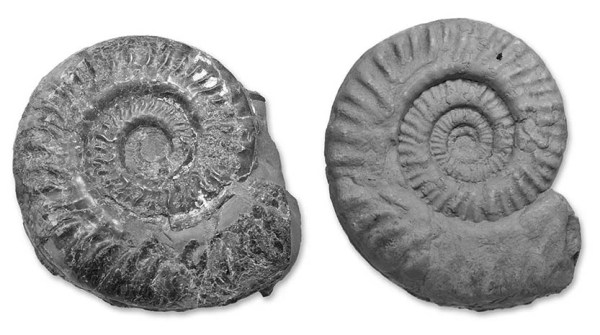
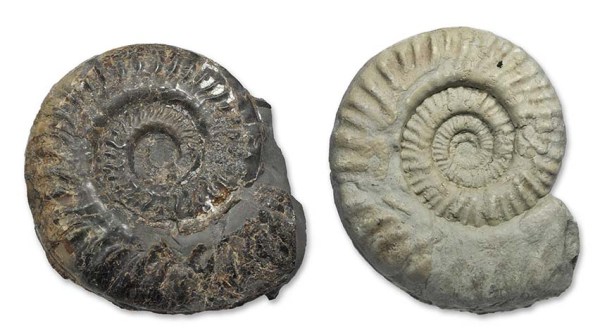
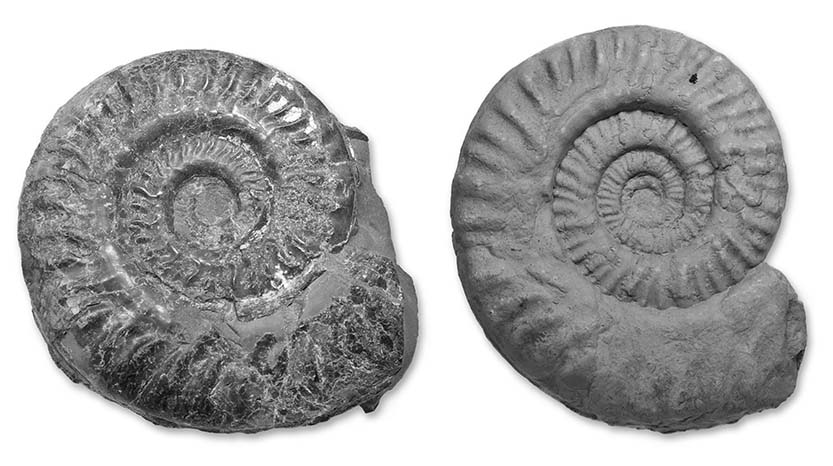
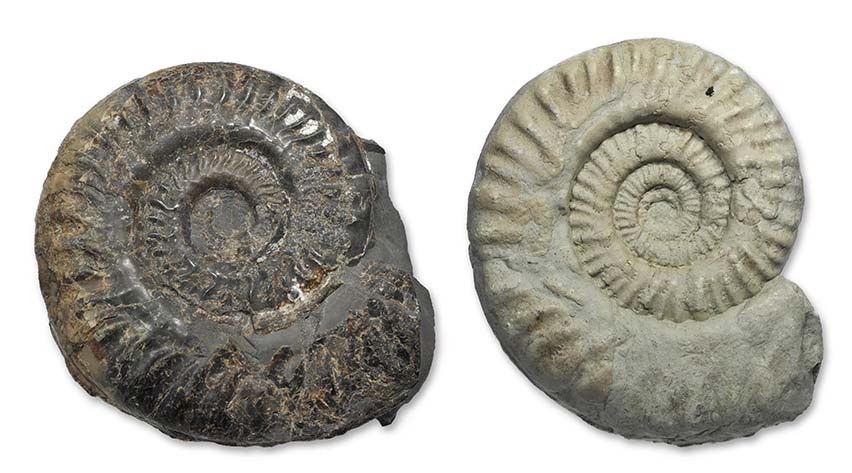
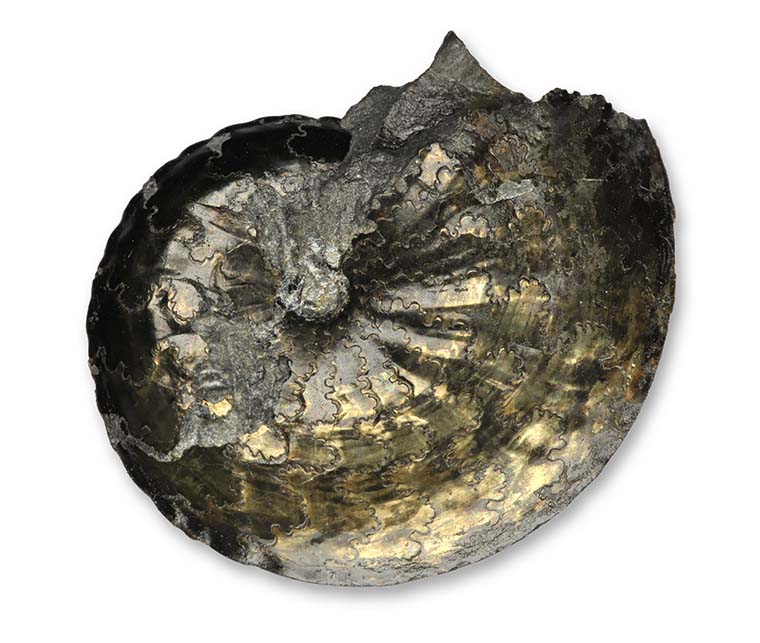
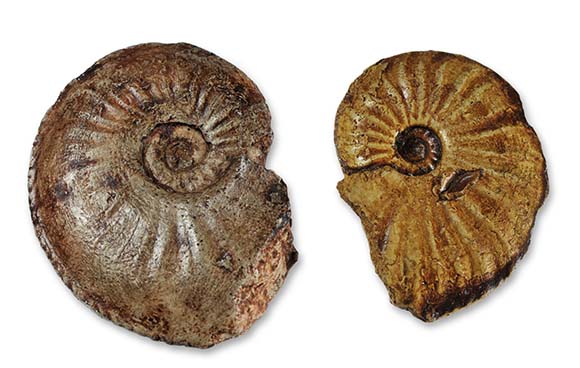
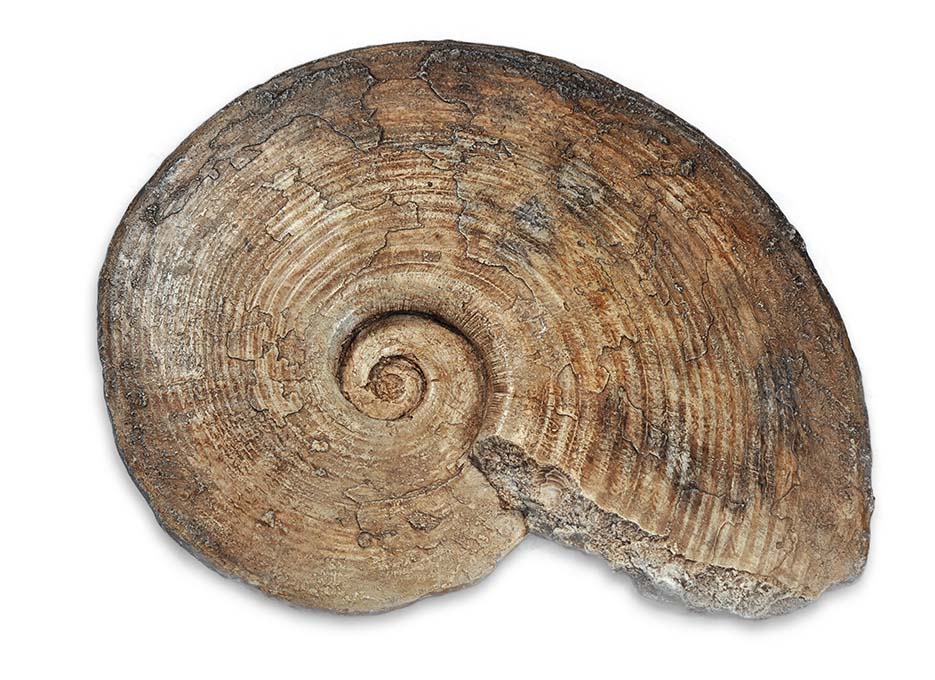
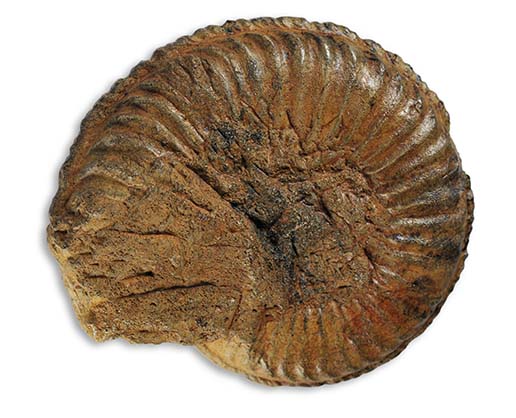
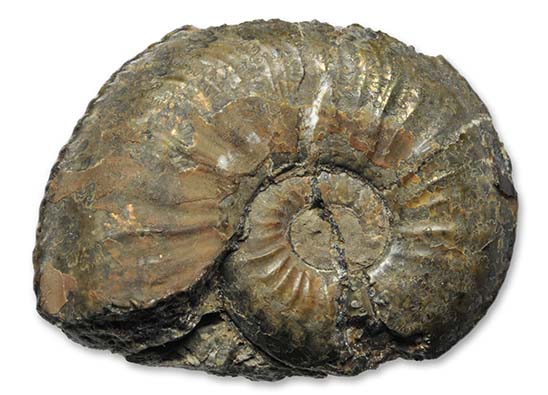
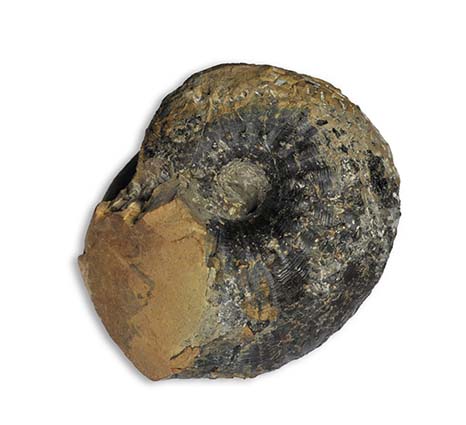
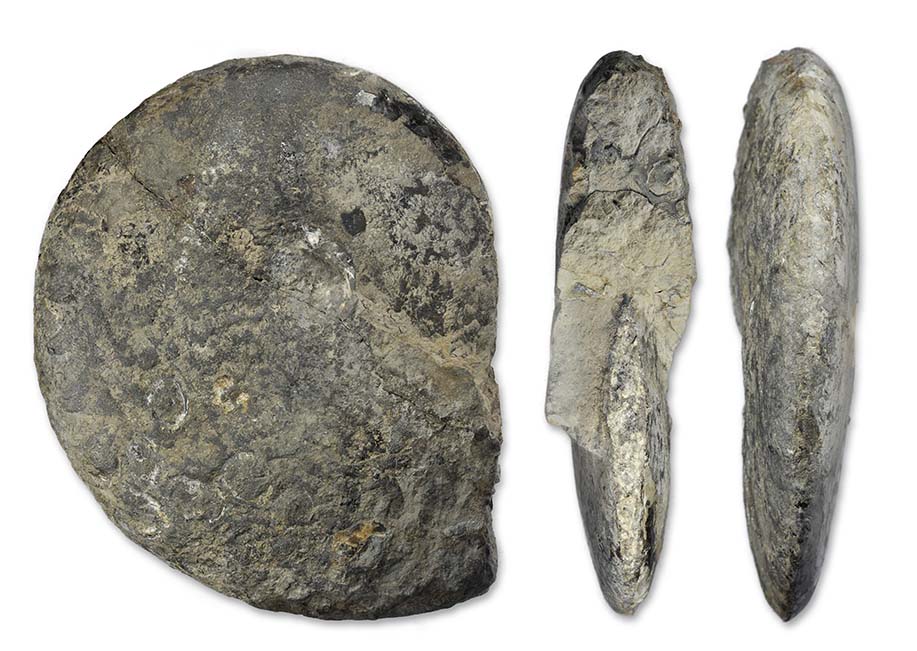
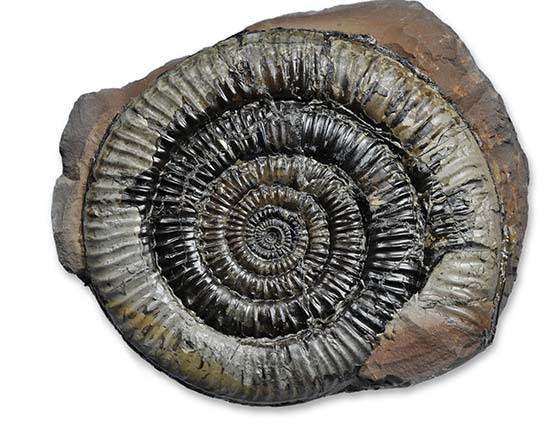
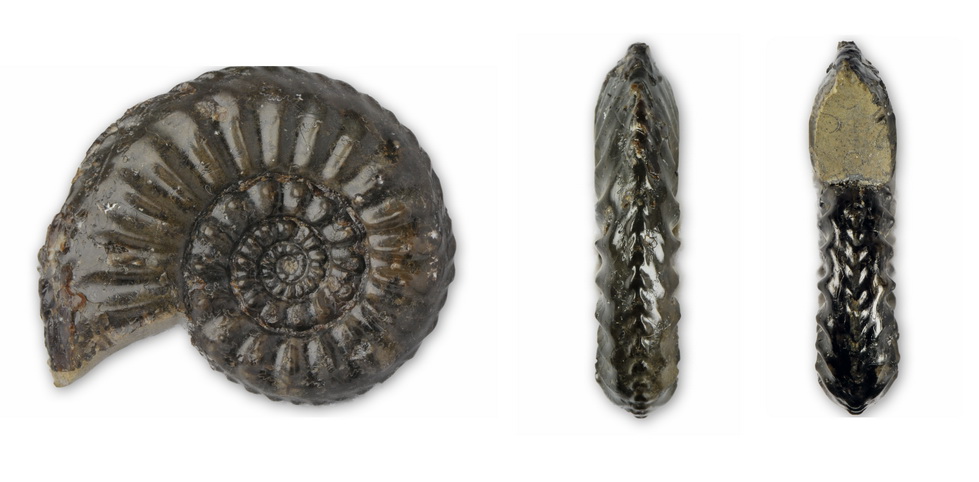
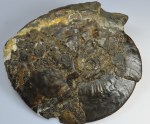
This way you make specimen more comparable with ones from other areas, removing the unwanted effects of colour due to different preservation.
All posts by andysfossils
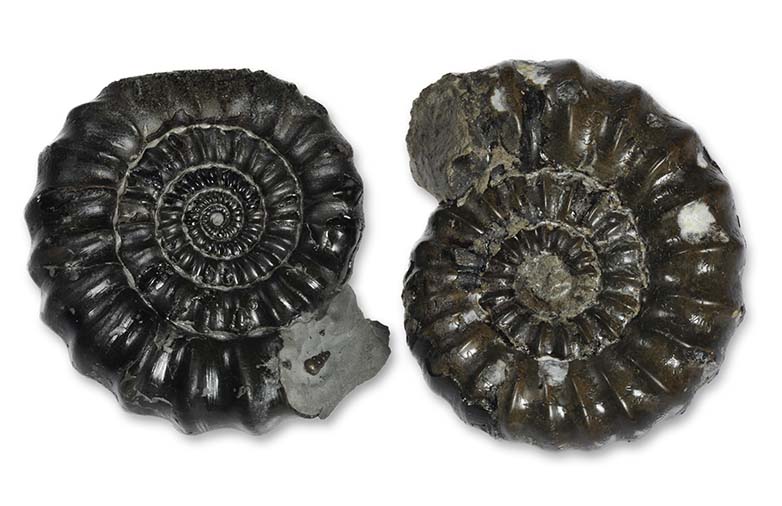
The importance of colour or the absence of it
This way you make specimen more comparable with ones from other areas, removing the unwanted effects of colour due to different preservation.
Posted by andysfossils on June 10, 2012
https://andysfossils.com/2012/06/10/the-importance-of-colour-or-the-absence-of-it/
Big and Small or A history of synonyms…
I showed you a relatively large Radstockiceras buvignieri (from the collection of my friend Klaus) in an earlier post, now here´s the smaller Radstockiceras from my own collection :
Posted by andysfossils on June 9, 2012
https://andysfossils.com/2012/06/09/big-and-small-or-a-history-of-synonyms/
The holotype or A good replica is better than a 100 pictures
I´m quite sure now that this real ammonite is indeed an Amaltheus laevigatus !
Posted by andysfossils on June 7, 2012
https://andysfossils.com/2012/06/07/the-holotype-or-a-good-replica-is-better-than-a-100-pictures/
A visit from my friend Klaus
Posted by andysfossils on June 6, 2012
https://andysfossils.com/2012/06/06/a-visit-from-my-friend-klaus/
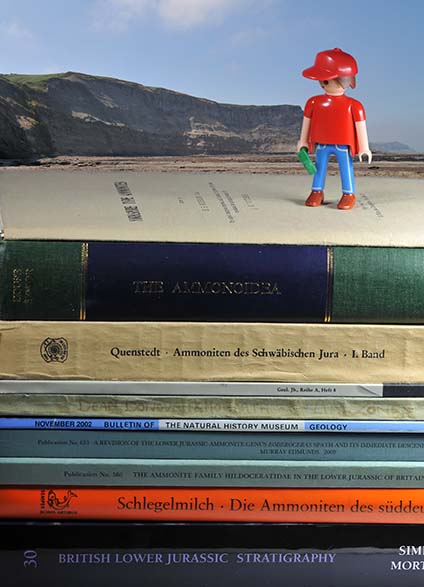
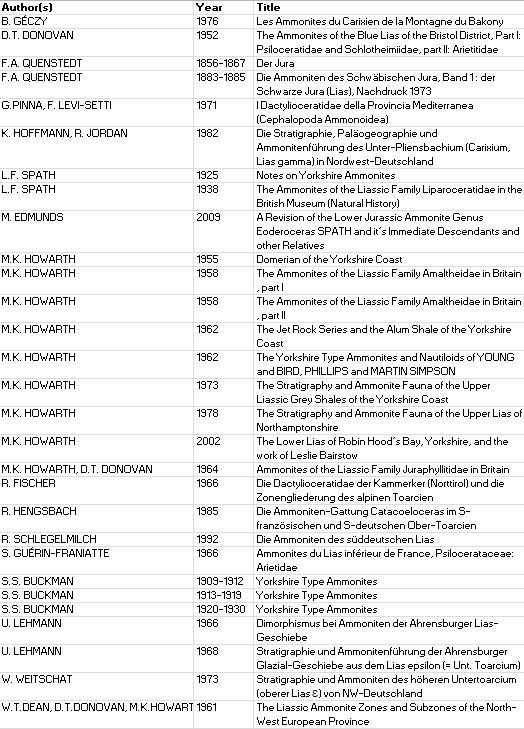
Standing on the shoulders of giants or Ammonite literature
Chances are that for identifying your finds you´ve had one or more of the more general fossil books which cover everything from foraminifera to dinosaurs and mammals. For every fossil group these naturally can only show the most common representatives of that group – when you specialize, you will very soon get to the limits of these books, even for a fossil group such as ammonites, with a lot of very common representatives.
between the specialist paper and the amateur collector that allows to get a decent overview of the Yorkshire ammonites without reading tons of papers.
Posted by andysfossils on June 3, 2012
https://andysfossils.com/2012/06/03/standing-on-the-shoulders-of-giants-or-ammonite-literature/
Side by side or Vive la différence !
This is what I´ve come up with :
-
Whorl growth more rapid on A.(Androgynoceras), fewer whorls for same size
- While their whorl section is similar in small sizes (round) , due to more rapid growth in whorl height, the A.(Androgynoceras) has a more rectangular whorl section at greater sizes.
- Maximum size for Gagaticeras is about 2″ / 5 cm; A.(Androgynoceras) can grow to more than double the size
- With most species of Gagaticeras you have at least the hint of a keel, A.(Androgynoceras) has none
- In terms of preservation, the black shell of Gagaticeras(Gagat is the german name for jet, hence the name ?) is a giveaway, as are small associated gastropods like shown in
the aperture of the Gagaticeras. - Gagaticeras occurs in nodules in softer dark silty shale, sometimes as pyritized outer whorls but very rarely as flattened 2D shells
- A.(Androgynoceras) occurs in grey nodules with a higher limestone content, but can be found flattened in the shales as well, where nodule buildup did not occur
And this is where I hope the book will shine : In showing the differences !
Posted by andysfossils on June 2, 2012
https://andysfossils.com/2012/06/02/side-by-side-or-vive-la-difference/
Opportunity of a lifetime or My wife thinks that was seriously embarrassing…
Over the years (more than 15 since then), I have found Paltechioceras again, but never as large or complete as this one – it was the opportunity of a lifetime !
Posted by andysfossils on June 2, 2012
https://andysfossils.com/2012/06/02/opportunity-of-a-lifetime-or-my-wife-thinks-that-was-seriously-embarrasing/
Ammonite photography or Views of a Fossil
-
They should be tack sharp and normally exposed
-
As many mega pixels as possible, minimum 6
-
The ammonite should almost fill the frame
-
Please use a light (preferably white) solid neutral background, no patterns in the background please
-
Use smooth even lighting, preferably one light from upper left, another one from lower right to lighten up the shadows
-
Do not use flash unless with a soft box
-
Do not use sunlight unless you use a reflector to lighten up the shadows
- Do not use any software to modify, e.g. filter, sharpen etc the picture, I will do this for you.
- I can work with jpeg, tiff, dng, nikon raw (nef) picture formats
- Do let me know what type of light you used, and which camera/lens combination you used
- Please do not use anything like ammonium chloride to whiten your fossils, I´m looking for the “natural” look.
-
Correct any potential color cast, lens distortion
-
Slightly sharpen the picture
-
Modify contrast, tone, color as necessary
-
Isolate the ammonite from the background
-
Give it a dropshadow to avoid the “cut out” look
-
Yorkshire ammonites only
-
I will accept Holderness coast and Cleveland 🙂
- If I do use the picture of your ammonite in the book (regardless if I photographed it or you did) you will get a sincere “thankyou” and – of course – your very own copy of the book, with or without my autograph 🙂
- In the description I will of course mention the collection the ammonite comes from, or not if you prefer.
Posted by andysfossils on May 29, 2012
https://andysfossils.com/2012/05/29/ammonite-photography-or-views-of-a-fossil/
A as in Amauroceras or A hopeless case ?
You have to start somewhere so why not begin with A ?
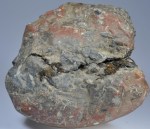
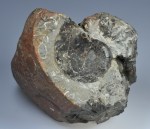
This middle lias (spinatum zone) nodule was found in the shingle on July 17, 2011 around Castle Chamber. The nodule was split in the middle and revealed the typical mix for such a nodule: Plenty of bivalves, a fragmentary, larger Pleuroceras, a smaller Pleuroceras (possibly apyrenum ?) and – looking at it again – a larger Amauroceras, broken straight down the middle, a relatively clean break as well. Larger Amauroceras aren´t all that common, so the nodule was bagged.
I did not look at it again until after May 2012, since it was neither amongst the perceived “highlights” of that holidays´collecting nor did it look easy to prep with the large complex surfaces of the nodule halves that would have to be glued together to make it safe to prep. I did not want to risk damaging the whorls while prepping around it with a pen and I do not have a large stonesaw available. A hopeless case, doomed to end up on the eternal prep backlog ?
So when I looked at it again in May 2012, I put the two halves of the nodule back again to see how they fit – and found they fit so well that I could not break them apart again ! Making a virtue out of necessity, I closed the remaining gap a bit further by gently hammering the two halves together with a hammer and letting a lot of low viscosity super glue run into the crack…
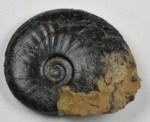
About a week later, I started to prep the ammonite and could soon expose the outer whorl of that 6 cm / 2.5″ Amauroceras lenticulare. I was amazed that you almost have to know where the crack was to see it…
Amauroceras belong to the Amaltheidae family of middle liassic ammonites. There are 2 species to be found on the Yorkshire coast :
- Amauroceras ferrugineum, a smaller, relatively common species and
- Amauroceras lenticulare, a larger species.
Apart from the obvious difference in size they differ in …. well I don’t really know that !
Anyone having broken apart a large, well-preserved A. lenticulare to see what the inner whorl looks like ? I haven´t !!!
Looking at the sutures of A. ferrugineum and A lenticulare at approximately same size on page 83 of the Lias SCHLEGELMILCH, they do look different in that A. ferrugineum has a more complex one, while A. lenticulare´s suture is more simple, less “fractal”. But still, you would need to break up your A. lenticulare specimen to find out, those sutures were taken at 7.5 to 8 mm ! In a way, the suture of A. ferrugineum does look more “adult” at this small stage, could this be a sign for a “dwarf” variation ?
The large Amauroceras lenticulare is rarely found in a condition appealing to the collector; the larger shells apparently were quite fragile
and often are only preserved as partials or badly crushed. Furthermore, their thin discus shaped shells are hard to recognize, this may lead to a certain
collection bias so that the smaller Amauroceras ferrugineum appears to be much less rare – not sure if they really are.
- Amauroceras lenticulare, one half of nodule
- Amauroceras lenticulare, other half of nodule
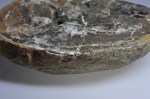
- The glued together halves of the nodule
- Amauroceras lenticulare, after rough prepping
- Amauroceras lenticulare, sharp keel
- Amauroceras ferrugineum, size 2.5 cm
- Amauroceras lenticulare, 9 cm
AndyS
Posted by andysfossils on May 28, 2012
https://andysfossils.com/2012/05/28/a-as-in-amauroceras-or-a-hopeless-case/
The journey begins here…
Actually, it began in 1989 when we first visited the Yorkshire coast in the UK to collect fossils. We´ve been back every year at least once since. The collection has grown, mostly ammonites but also crinoids, starfish, bivalves, brachiopods and even some marine reptile bone material. As of today, it contains roughly 2500 specimen ranging from the lowest to the highest Lias (a time in the Earth´s Jurassic period about 200-175 million years old).
But this blog is mostly about the ammonites and the idea to build a documentation about finding, preparing and identifying them with the clear goal to publish this in book form at some point…
This idea started some years ago amongst members of the UKFOSSILS forum (discussfossils.com), kindly provided by the UKGE Geologists Equipment store (http://www.ukge.co.uk/).
An early expression of this idea can be seen in the members identification database, which was meant to provide a mechanism to “crowd source” pictures and identifications from various collections. While this worked fine in the beginning, the “crowd sourcing” aspect slowly got lost, with various members leaving the forum for different reasons and my identifications for liassic ammonites being the only ones left…
For personal reasons I had to abandon execution of this project for a while, mostly due to lack of time, but now the time seems right to restart it, this time with myself in complete control of all aspects of the project.
This blog will provide a diary of this project, from finding ammonites, preparing them, identifying them and the process of documentation & writing the book…
AndyS
Posted by andysfossils on May 18, 2012
https://andysfossils.com/2012/05/18/the-journey-begins-here/